Trade Fair Furniture | Why the Right Chair Is Crucial to Trade Fair Success

Trade Fair Furniture | Why the Right Chair Is Crucial to Trade Fair Success

Seating furniture is an extremely effective and often underestimated factor in trade fair construction. It influences the duration of stay, quality of conversations, and brand perception. Anyone planning a trade fair appearance should not leave seating and furniture to chance.

Date:
Author: Lukas Henseleit

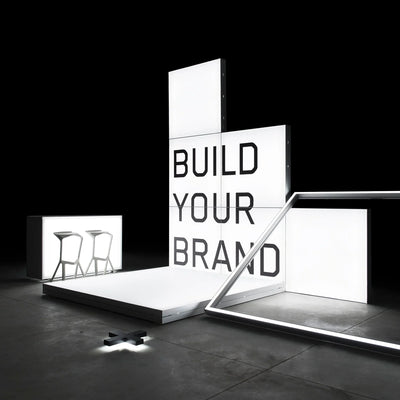
In trade show booth planning, architecture, graphics, and lighting are often the major factors influencing the presentation and first impression. However, furnishing a booth also includes furniture and functional elements such as counters, tables, shelves, product displays, and lighting fixtures. Many of these can be covered with elements from the Modulap system—for example, counters, shelves, or ceiling lights.

One area that is often underestimated in trade show construction is seating furniture. Chairs, armchairs, and bar stools significantly influence how visitors experience your booth, how long they stay, how conversations unfold, and the impression they form of your company. Nevertheless, furniture is often neglected in the planning process. We want to take a closer look at this topic and demonstrate that it is worthwhile to consider seating arrangements in the booth concept from the very beginning.

Why Seating Furniture Has Such a Significant Impact

The first impression counts. At a trade fair, visitors intuitively decide within seconds whether to stay at a booth or move on. Architecture creates spatial presence, graphics tell the story, and seating furniture also has an impact. It ensures a harmonious overall appearance, invites people to linger, and makes guests feel comfortable. Because those who sit comfortably stay longer and have better conversations. Conversely, those who have to sit on a worn-out rental chair or a wobbly bar stool notice this—and the feeling the guest experiences during the visit transfers to the brand.

Seating furniture at trade fairs and events serves as functional branding. Its quality is an important signal of whether a company values its guests and pays attention to details. A booth that expresses a premium claim through architecture and graphics but fails to deliver on this promise with its furniture tells two different stories. Such contradictions stand out, even if visitors cannot consciously articulate them.

Why Seating Furniture Has Such a Significant Impact

There is also a practical aspect: seating furniture influences how visitors move around the booth. Where bar stools are placed, spontaneous new contacts arise. Where inviting armchairs are located, longer conversations and relationships develop. These dynamics can be consciously designed and utilized.

Zone thinking | Which chair belongs where?

A trade show booth usually has different areas with various functions. Each places different demands on the seating. Below, we have listed typical areas of a larger trade show booth as examples:

Reception and Counter.
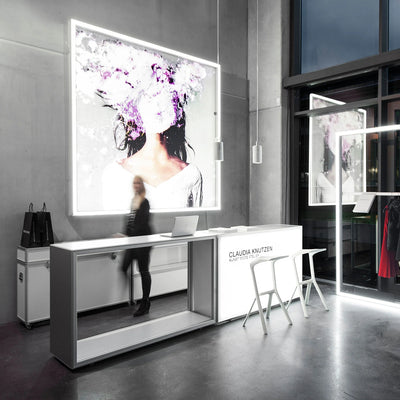
These are the places for initial contact and brief dialogues, often standing or on bar stools. They offer a high seating position, upright posture, and allow quick turnover. Bar stools should be stable and visually appealing but not encourage long stays, as the counter is a transit point.

Meeting Areas.
Product presentations, project discussions, and negotiations take place here. The seating position should be upright and professional, and comfortable enough for focused conversations lasting about 30 to 45 minutes. The seating furniture should have a businesslike character, not a relaxed lounge feel.

Lounge and Retreat Areas.
Visitors can relax here. A lower seat height, softer padding, and a more relaxed posture are typical for these rather quiet zones. Longer conversations, which visitors fondly remember, typically occur in the lounge. Therefore, good armchairs pay off here.

Bar and Social Area.
Standing tables with bar stools and possibly additional seating create a casual, sociable atmosphere here. The goal is networking, brief encounters, and informal exchange in a larger group—inviting but not so comfortable that guests settle in and block space.

Those who include the key zones and seating arrangements early in booth planning make better decisions for the booth’s design and ensure that the trade show appearance delivers the desired results.

Typical Options – and What to Consider

There are different ways to equip a trade fair booth with seating furniture. Each has its justification depending on the situation and objectives.

Buy suitable seating furniture.
Purchasing furniture that truly fits the brand ensures control over design and quality, thereby providing security. The logistics are usually manageable. Those who invest in timeless, high-quality seating furniture often use it between trade fairs in the office, showroom, or at customer events. This makes the investment quickly profitable, eliminates storage needs, and is truly sustainable compared to disposable solutions or long-term rentals.

Rent furniture from the trade fair company.
Rental furniture is available at many trade fairs, but quality and condition can vary greatly. As a long-term solution, rental furniture quickly becomes expensive. Essentially, the furniture is shared with hundreds of other exhibitors. The chairs are functional but interchangeable, and usually show clear signs of heavy use. This rarely suffices for an independent, coherent brand presentation.

Rent designer furniture.
High-quality furniture, flexibly available and without storage effort – this sounds promising. For single events or special formats, renting the appropriate pieces of furniture is a good option. However, the desired variants of the furniture are not always readily available. For multiple trade fairs per year, logistics and rental costs can quickly exceed the purchase price without building ownership.

We recommend a good basic equipment.
The safest and most cost-effective option is usually to plan the seating furniture together with the booth architecture and to purchase a solid basic equipment directly. Those who coordinate the booth elements and seating options for all layout variants generally proceed most safely and economically. As a result, companies ensure a coherent brand presentation and satisfied guests everywhere – while simultaneously saving costs.

Tips for Choosing Trade Show Furniture

Regardless of the chosen option, the following should be considered when selecting furniture for the trade show booth or brand environment:

Does the piece of furniture fit the brand?
The design language of the seating furniture should always complement that of the booth. For example, a technically minimalist booth requires different seating than a presentation that emphasizes warmth and approachability.

Does the quality withstand the stress?
At trade shows, furniture is heavily used through sitting, touching, leaning, etc. Some chairs show wear after just one day. To ensure that the seating furniture always looks good and functions flawlessly, quality should be prioritized.

How will the furniture be transported to the trade show?
For logistics, not only the dimensions and weight of the seating furniture are important, but also whether chairs can be stacked and if they require special packaging. To avoid unnecessary effort and damage, these considerations should be addressed early on.

Is the solution sustainable?
Disposable furniture that is discarded after three trade shows is neither economical nor contemporary. High-quality seating furniture that is used for years at trade shows and elsewhere aligns with the sustainability standards many companies set—and that their customers also expect.
Modulap offers exhibition stands and furniture from a single source.

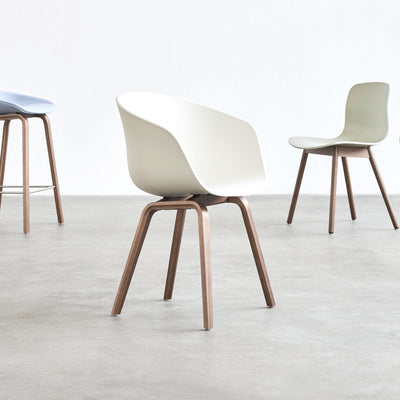
No matter which solution you choose: At Modulap, we consider the furnishing from the very beginning. To enable our customers to order high-quality, timeless, and sustainable furniture for trade fairs, brand worlds, and events directly, we have established partnerships with selected manufacturers. Vitra, Hay, and Plank for high-quality seating and selected complementary furniture pieces, Anglepoise for iconic lamps. With this furniture, you can perfectly complement your Modulap set and be optimally positioned in terms of style, quality, and sustainability.

Now go to the 3D studio and configure the trade show booth with furniture.

When you design your Modulap trade fair booth in the 3D Studio, you can directly include and visualize the furniture in the scene. If you choose a combination, you will receive the entire booth with furniture delivered directly from us.